Moremi Game Reserve
Safari guide to Moremi Game Reserve
Moremi Game Reserve is one of the most rewarding safari areas in Botswana and one of the best places to experience the Okavango Delta by land. Dry woodland, floodplains, lagoons, islands, reedbeds and seasonal water channels come together to create a safari landscape that feels both wild and varied.
For many travellers from the Netherlands and elsewhere in Europe, Moremi Game Reserve is part of a wider Botswana safari that includes the Okavango Delta, Chobe National Park, Khwai, Savuti or even Victoria Falls. It is particularly attractive to travellers looking for excellent wildlife viewing, genuine wilderness, 4×4 travel, guided safaris and a more adventurous safari route.
Moremi is not a simple destination where you drive in, tick off the animals and drive out. It requires proper planning. Tracks can be sandy or muddy, water levels change throughout the year, campsites can book out early, and distances inside the reserve can feel longer than they look on a map.
However, when planned well, a Moremi Game Reserve safari can become one of the most memorable parts of a Southern Africa journey.
This guide explains when to visit, what wildlife to expect, how many days you need, where to stay, whether to self-drive or go on a guided safari, and how to connect Moremi with the rest of Botswana.
What Makes Moremi Game Reserve Special?
Moremi Game Reserve is special because it protects a rich part of the Okavango Delta where land and water meet. Unlike some private concessions in the Delta that are mainly accessed by light aircraft, Moremi can be reached by road from Maun. This makes it an important destination for self-drive travellers, mobile safaris and overland-style safari routes.
The landscape changes constantly. One moment you may be driving through mopane woodland, and the next you may arrive at a floodplain where red lechwe stand in shallow water and elephants move through the reeds. There are lagoons, open grasslands, seasonal pans, river channels and forested islands. This variety makes wildlife viewing particularly interesting.
Moremi Game Reserve is also one of Botswana’s important conservation areas. It was established through a local initiative by the Batawana people, giving it a significant conservation history. For travellers who care about responsible tourism, this background makes Moremi more than just a scenic safari destination.
The reserve is not fenced in the way some travellers might imagine. Wildlife moves between Moremi, Khwai, the wider Okavango Delta and surrounding areas. Animal movements depend on water, season, food and habitat, creating a natural safari experience.
If you are planning a wider Botswana itinerary, explore our Botswana safari options to see how Moremi can fit into a guided safari.
Where Is Moremi Game Reserve?
Moremi Game Reserve is located in northern Botswana, in the eastern and central part of the Okavango Delta. Most travellers access it from Maun, the main safari gateway town for the Delta.
From Maun, the route normally heads towards the South Gate area of Moremi, then deeper into the reserve towards places such as Xakanaxa, Third Bridge, Mboma and Dead Tree Island. Some routes continue north-east towards the Khwai Community Area, Savuti and Chobe National Park.
The location makes Moremi useful for safari planning. It can be included in a shorter Botswana itinerary, but it also fits naturally into a longer route across northern Botswana.
For self-drive travellers, it is one of the key sections of the classic Maun–Moremi–Khwai–Savuti–Chobe route.
For guided travellers, Moremi can be included in a mobile camping safari, a lodge-based safari or a tailor-made Botswana itinerary that combines land-based game drives with water activities elsewhere in the Okavango Delta.

Best Time to Visit Moremi Game Reserve
The best time to visit Moremi Game Reserve depends on the type of safari experience you want. The reserve changes considerably throughout the seasons, and each period has its own advantages.
Moremi Game Reserve in the Dry Season
The dry season, roughly from May to October, is one of the most popular times to visit Moremi Game Reserve. During these months, vegetation becomes thinner, wildlife is often easier to spot, and animals gather around remaining water sources.
This is also when Okavango floodwaters usually arrive in many parts of the Delta, even though the rain that feeds the Delta falls far away in Angola months earlier. For travellers, this can feel unusual: the surrounding areas may be dry while parts of the Delta become full of water.
June, July and August can be excellent months for a Moremi safari. Mornings can be very cold, especially during early game drives, so warm layers are important. Days are usually pleasant, and wildlife viewing can be excellent.
September and October are hotter. Game viewing can be rewarding, but the heat becomes more demanding. Self-drive travellers should pay particular attention to water supplies, vehicle condition and driving distances. Lodge-based and guided safaris can be more comfortable during these hotter months.
Moremi Game Reserve in the Green Season
The green season, roughly from November to April, brings summer rain, fresh grass, dramatic skies and excellent birdlife. The landscape becomes greener, and many animals give birth during this period. It can be a beautiful time for photography.
The green season is also quieter in terms of visitor numbers. Travellers who prefer fewer vehicles and lush scenery may particularly enjoy this time of year.
However, rain can make some tracks muddy or difficult. Certain areas may become challenging for self-drive travellers, especially after heavy rainfall. Road conditions change, and a route that is easy one week may be difficult the next.
Birdwatching can be excellent during the green season, with migratory birds adding to the already rich birdlife. If you enjoy photography, dramatic skies, colourful landscapes and young animals, this season can be very rewarding.
Wildlife in Moremi Game Reserve
Moremi Game Reserve is one of Botswana’s best-known wildlife areas because of its variety of habitats. The combination of floodplains, water channels, woodlands, islands and open areas supports a wide range of animals.
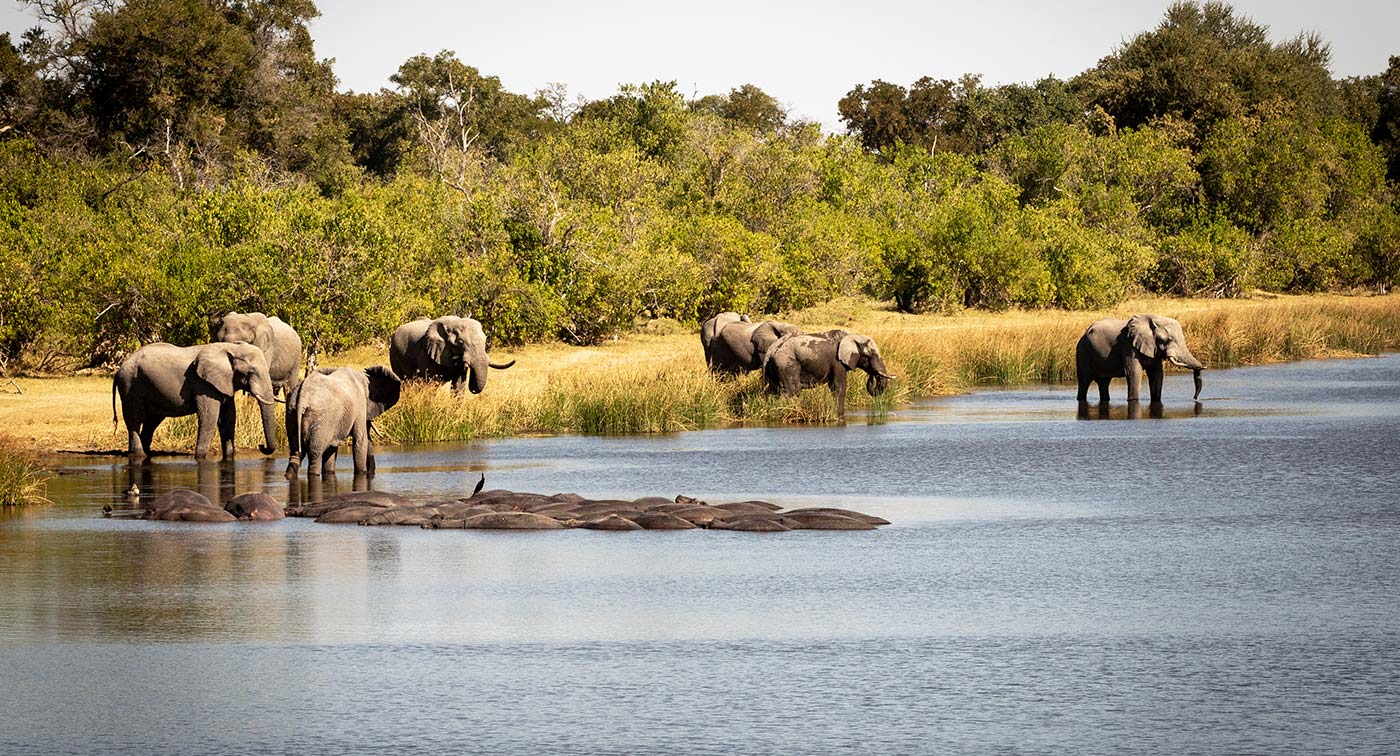
Elephants are commonly seen in and around Moremi, particularly near water and woodland areas. Buffalo can also be present, sometimes in large herds depending on the season and their movements. Giraffes, zebras, impalas, kudus, tsessebes, wildebeest and warthogs are also possible sightings.
Red lechwe are strongly associated with wetland areas and are one of the special antelope species to look for in the Delta. Sitatunga are more elusive and usually harder to see, but they are part of the Okavango’s wetland wildlife.
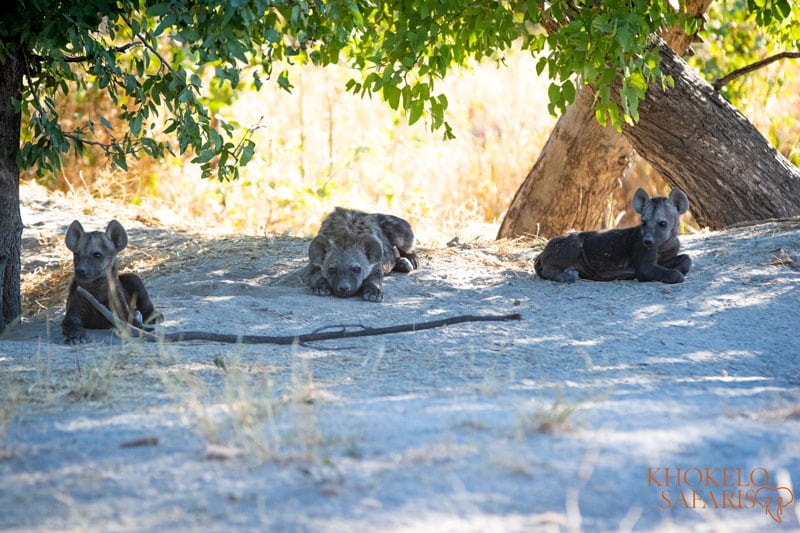
Predators are a major reason travellers visit Moremi Game Reserve. Lions, leopards, spotted hyenas, cheetahs and African wild dogs can all be seen in the wider Moremi and Khwai region. Sightings are never guaranteed, but the area has a strong reputation for predator activity.
Leopard sightings can be particularly memorable in woodland and riverine areas. Wild dogs are among the most exciting animals to see because of their movement, social behaviour and hunting style. They can cover large distances, so sightings depend on timing, luck and local knowledge.
Hippos and crocodiles live in watery areas. Birdlife is excellent, with waterbirds, raptors, kingfishers, herons, storks, bee-eaters and many other species. Even travellers who are not serious birdwatchers often become interested in birds during a Moremi safari because of the variety and visibility of the wildlife.
Moremi is part of the wider Okavango Delta safari experience, making it a rewarding choice for travellers who want to combine game drives with the Delta’s waterways and wetlands.
Main Areas of Moremi Game Reserve
Moremi is not one single type of landscape. Different areas offer different experiences, and understanding them helps when planning your route.
South Gate
South Gate is one of the main entry points into Moremi Game Reserve from Maun. For many self-drive travellers, this is the first entrance into the reserve. The surrounding area has woodland and game-drive routes that can be productive, especially when you take your time.
South Gate is useful logistically because it allows travellers to enter Moremi without immediately pushing too deep into the reserve. Some itineraries use South Gate as a first overnight stop before continuing towards Xakanaxa or Third Bridge.
Xakanaxa
Xakanaxa is one of the best-known areas in Moremi Game Reserve. It lies in a beautiful part of the Delta where land meets permanent water. The area is known for game drives, lagoon scenery and access to boat activities from some nearby camps and operators.
Wildlife viewing can be excellent in this area, including elephants, buffalo, antelope, predators and rich birdlife. Xakanaxa is often a highlight for travellers who want a classic Moremi experience.
Third Bridge
Third Bridge is popular with self-drive travellers and mobile safari routes. It is known for its wilderness atmosphere, lagoon and floodplain scenery, and access to varied game-drive areas.
Driving around Third Bridge can be adventurous depending on the season and water levels. Bridges, sandy tracks and changing conditions are part of the experience. This area requires proper preparation, particularly for self-drive travellers.
Moremi and the Khwai Area
Khwai is not inside Moremi Game Reserve itself in the same way as the central reserve camps, but it lies along the north-eastern edge and is often combined with Moremi. The Khwai Community Area is one of the most rewarding safari areas in northern Botswana.
Khwai can offer excellent wildlife viewing, including elephants, predators, plains game and birdlife. Depending on water levels and the operator, activities may include game drives, mokoro trips or boating experiences.
For many itineraries, Moremi and Khwai together create a strong safari combination. Moremi provides the protected-reserve experience, while Khwai adds community-managed safari land and often very productive wildlife viewing.

How Many Days Do You Need in Moremi Game Reserve?
You should not rush Moremi Game Reserve. The reserve is large, the tracks are slow, and wildlife viewing works best when you have enough time.
For a short visit, two nights can give you a basic introduction. This may work if you are combining Moremi with Khwai, Chobe and the Okavango Delta. However, two nights can feel rushed, especially if travel days are long.
Three nights is a better minimum for many travellers. This gives you time to enter the reserve, enjoy full game-drive days and move between areas without feeling too hurried.
Four to five nights is ideal if Moremi is one of the main highlights of your Botswana safari. This allows you to combine areas such as South Gate, Xakanaxa, Third Bridge and Khwai more comfortably.
If you are planning a deeper self-drive or mobile safari route, Moremi may form part of a longer seven- to ten-day journey through northern Botswana, combined with Khwai, Savuti and Chobe.
For travellers from Europe, it is important to remember that safari travel is not just about covering distance. A good itinerary gives you enough time to stop, watch, listen and enjoy the landscape.
Self-Drive Safari in Moremi Game Reserve
Moremi Game Reserve is one of the classic self-drive safari destinations in Botswana. For travellers who enjoy 4×4 adventures, it can be incredibly rewarding.
A self-drive safari gives you flexibility. You can stop when you want, spend time at wildlife sightings, photograph landscapes and enjoy the feeling of moving through the wilderness at your own pace.
However, Moremi is not an easy destination for beginners. Tracks can be sandy, muddy, narrow or flooded depending on the season. Some areas can be confusing, and distances take longer than expected. A proper 4×4 is essential, and travellers should understand basic off-road driving.
Self-drive travellers need to plan fuel, water, food, campsites, park entry, route timing and emergency communication. It is also important to know that campsites in wilderness areas may be unfenced. Animals can move through camp, so food storage and behaviour at night matter.
For first-time self-drive travellers from Europe, Moremi can still be possible, but the route should be planned carefully and should not be too ambitious. It may also be wise to start with easier sections before entering deeper parts of Moremi.
If you are considering this style of travel, explore our Botswana self-drive safari options.
Guided Safari in Moremi Game Reserve
A guided safari is often the best way to experience Moremi Game Reserve if you want less stress and more interpretation. A good guide understands animal tracks, seasonal movements, road conditions and wildlife behaviour.
Guided mobile safaris are particularly popular in Moremi. These trips allow travellers to experience wilderness camping while an experienced team handles the logistics. You still feel close to nature, but you are not responsible for navigation, camp setup, cooking or vehicle recovery.
Lodge-based safaris are another option. These can be more comfortable and are well suited to travellers who want experienced guiding, meals, proper beds and a smoother safari experience.
Guided safaris can also be a good choice for photographers and wildlife-focused travellers because guides often know where animals have been moving recently. They can read the environment in ways that most visitors cannot.
The choice between self-drive and guided safari depends on your confidence, budget, comfort level and travel style. Neither is automatically better. The best option is the one that honestly matches your expectations.
For a safari where accommodation, meals and logistics are arranged for you, explore our fully catered Botswana safaris.

Where to Stay in and Around Moremi Game Reserve
Accommodation in and around Moremi Game Reserve ranges from rustic public campsites to mobile safari camps and more comfortable lodge options.
Self-drive travellers often stay at campsites such as South Gate, North Gate, Third Bridge or Xakanaxa, depending on availability and route. These campsites are popular and should be booked early. Facilities are usually simple, and the wilderness setting is part of the appeal.
Mobile safari travellers may stay in temporary tented camps set up by their safari operator. This is a good way to experience Moremi because it combines comfort, guiding and a genuine bush atmosphere.
Lodge-based travellers can stay in camps in the Moremi and wider Okavango Delta region, depending on access, budget and itinerary. Some are reached by road, while others may involve light-aircraft transfers.
Khwai also offers a range of camps and lodges just outside Moremi, making it a useful base for travellers who want to combine access to the reserve with wildlife viewing in the community area.
When choosing where to stay, think about how the route flows, not only the lodge or campsite itself. A beautiful camp in the wrong location can create long travel days and reduce your time for wildlife viewing.
How Moremi Game Reserve Connects with Other Safari Areas
Moremi Game Reserve is one of the most useful building blocks in a Botswana safari itinerary.
Moremi and the Okavango Delta
Moremi is part of the Okavango Delta experience, but it is not the whole Delta. It is particularly strong for land-based game drives. Many travellers combine Moremi with a water-based Delta camp where activities may include mokoro trips, boating or walking safaris, depending on the area and season.
This combination creates a good balance. Moremi provides game drives and opportunities to see predators, while the inner Delta offers water, islands and a quieter wetland atmosphere.
Moremi and Khwai
Moremi and Khwai combine naturally. Khwai lies close to the north-eastern side of Moremi and is often one of the most productive wildlife areas on a northern Botswana route.
A route that includes both Moremi and Khwai gives travellers more variety and flexibility. It can also provide alternatives if one area has difficult road conditions or lower wildlife activity at a particular time.
Moremi and Chobe
Many self-drive and guided routes continue from Moremi through Khwai and Savuti towards Chobe National Park. This is one of Botswana’s classic safari routes.
Chobe National Park adds a different experience, particularly along the Chobe Riverfront, where elephants, buffalo and river-based wildlife are major highlights.
This route can end near Kasane, which is also useful for travellers continuing to Victoria Falls in Zambia or Zimbabwe.
Moremi and Victoria Falls
Moremi can connect well with Victoria Falls in Zambia or Zimbabwe via Kasane. This is a popular combination for international travellers who want both an immersive Botswana safari and one of Southern Africa’s most famous natural landmarks.
For travellers from Europe, this can work well as a two-week itinerary, depending on flights, budget and the number of safari areas included.
Practical Travel Planning Advice for Moremi Game Reserve
A successful Moremi Game Reserve safari starts with realistic planning.
- Book early: Campsites and lodges in the best areas can fill up months in advance. If you are travelling during European summer holidays, do not leave planning too late.
- Choose the right vehicle for self-driving: A proper 4×4 is important, not just a vehicle that looks like one. Check tyres, spare tyres, recovery equipment and available space for water, luggage and supplies.
- Keep driving days short: Moremi’s tracks are slow, and wildlife sightings can delay you in the best possible way. Do not plan your route as if you were driving on European roads.
- Pack soft luggage if possible: It fits more easily in safari vehicles and is more practical for light-aircraft transfers if your itinerary includes fly-in sections.
- Bring warm clothing: Mornings can be cold during the dry season, especially in open safari vehicles.
- Take binoculars: Moremi has excellent birdlife, and many sightings happen at a distance across floodplains or lagoons.
- Keep camera gear practical: Dust, movement and quick sightings mean that easy access to your equipment is often more useful than carrying too much.
- Check your travel requirements: Verify travel documents, insurance, park rules, health advice and entry requirements before departure. Details can change, so check current information close to your trip.

Safety Advice for Moremi Game Reserve
Moremi is a wild area, and safety is an important part of good safari planning.
Stay inside your vehicle unless you are in a clearly permitted area or with a qualified guide. Wildlife can be closer than it appears, especially in thick vegetation.
Do not approach animals too closely. Elephants, buffalo, hippos and predators all need space. Good safari behaviour means observing wildlife without disturbing it.
At campsites, keep food secure and do not leave scraps around. Animals may move through camp, especially at night.
Avoid walking around after dark unless it is safe and necessary. Use a torch and follow the advice of camp staff or guides.
Drive slowly. This helps protect wildlife, reduces vehicle damage and gives you more time to notice tracks, birds and animals.
Respect water crossings and muddy areas. If you are unsure about a crossing, do not rush into it. Getting stuck in Moremi can quickly become expensive and stressful.
If you are on a guided safari, listen to your guide. Their instructions are based on local experience and current conditions.
Is Moremi Game Reserve Good for First-Time Safari Travellers?
Yes, Moremi Game Reserve can be excellent for first-time safari travellers, but the style of travel matters.
For first-time visitors who want comfort and experienced guiding, a lodge-based or guided mobile safari is usually the best choice. This allows you to enjoy the wildlife and landscape without worrying about difficult roads, navigation or camp logistics.
For first-time self-drive travellers, Moremi can be more challenging. It is possible, but it should be planned carefully. Avoid making the route too long, do not drive late and do not underestimate the tracks.
Moremi is also a good destination for travellers who have already visited South Africa or East Africa and now want something wilder and less structured. It can feel more remote than many easier safari destinations, which is part of its appeal.
Responsible Travel in Moremi Game Reserve
Responsible travel is particularly important in Moremi because the environment is sensitive and wildlife depends on natural movement.
- Stay on designated tracks where required. Off-road driving can damage vegetation and disturb animals.
- Do not pressure guides to get too close to wildlife. A respectful sighting is better than a stressful one.
- Keep noise low, especially around animals and campsites. The quieter you are, the more you are likely to notice.
- Never feed wild animals. Feeding changes their behaviour and can create problems for future visitors and local staff.
Support operators that respect local communities, conservation rules and low-impact tourism. Botswana’s safari model places considerable value on protecting wilderness areas, and travellers can play a role in supporting that approach.

Planning Your Safari with Khokelo Safaris
Moremi Game Reserve is one of those places where good planning makes a big difference. The right route depends on the season, your travel style, budget, driving confidence and the amount of time you have in Botswana.
Khokelo Safaris can help you plan a tailor-made Botswana safari that includes Moremi Game Reserve, the Okavango Delta, Khwai, Chobe, Savuti and wider Southern Africa combinations. The focus is on building a route that works in real travel conditions, not just on a map.
For some travellers, that may mean a guided safari with experienced local guides. For others, it may mean a carefully planned self-drive route with the right stops, realistic distances and practical advice.
Moremi can be adventurous, comfortable or a mix of both, depending on how the trip is arranged.
A well-planned Moremi safari gives you time to slow down, follow tracks, watch the light change across the floodplains and enjoy the feeling of being inside one of Botswana’s most important wilderness areas.
Final Thoughts on Moremi Game Reserve
Moremi Game Reserve is one of the best places to experience the wild heart of Botswana. It brings together the beauty of the Okavango Delta with the excitement of land-based game drives, rewarding predator sightings, rich birdlife and genuine 4×4 safari adventure.
It is not a destination to rush. Moremi rewards travellers who allow enough time, plan carefully and understand that wilderness does not work to a fixed schedule. Some sightings may happen quickly, while others require patience. That is part of what makes the experience feel real.
For international travellers planning a Botswana safari, Moremi Game Reserve is an excellent choice. Whether you visit on a guided mobile safari, a lodge-based itinerary or a self-drive adventure, it can become one of the most meaningful parts of your journey through Southern Africa.
FAQ
x
x
Where is Moremi Game Reserve located?
Moremi Game Reserve is located in northern Botswana, in the eastern and central part of the Okavango Delta. Most travellers access it from Maun, the main gateway town for Okavango Delta safaris.
Is Moremi Game Reserve worth visiting?
Yes. Moremi Game Reserve is one of Botswana’s leading safari areas. It offers rewarding wildlife viewing, beautiful Delta landscapes, excellent birdlife, opportunities to see predators and a genuine wilderness atmosphere.
What is the best time to visit Moremi Game Reserve?
The dry season from May to October is generally popular for wildlife viewing and better visibility. The green season from November to April is good for birdwatching, photography, fresh landscapes and fewer travellers, although road conditions can be more challenging.
Can you self-drive in Moremi Game Reserve?
Yes, self-drive safaris are possible in Moremi Game Reserve, but a proper 4×4 is essential. Tracks can be sandy, muddy or flooded depending on the season, so preparation and realistic route planning are very important.
How many days do you need in Moremi Game Reserve?
Three nights is a good minimum for many travellers. Four to five nights is better if Moremi is a main part of your Botswana safari, especially if you want to include areas such as South Gate, Xakanaxa, Third Bridge and Khwai.
What animals can you see in Moremi Game Reserve?
You may see elephants, buffalo, giraffes, zebras, impalas, kudus, red lechwe, hippos, crocodiles, lions, leopards, spotted hyenas, cheetahs and African wild dogs. Birdlife is also excellent throughout the reserve. Wildlife sightings are never guaranteed.
Is Moremi better than Chobe?
Moremi and Chobe offer different experiences. Moremi provides a wilderness experience in the Okavango Delta, with floodplains, woodlands and opportunities to see predators. Chobe, especially the riverfront, is famous for elephants, river scenery and convenient access from Kasane. Many travellers enjoy combining both.
Should I visit Moremi or Khwai?
If your itinerary allows, visiting both can provide a more varied safari. Moremi offers the protected-reserve experience, while Khwai provides wildlife viewing in a community-managed area near the reserve. The two areas combine well on a northern Botswana route.
Is Moremi Game Reserve good for first-time safari travellers?
Yes, particularly with a guided safari or lodge-based itinerary. First-time self-drive travellers can visit Moremi too, but they should prepare carefully, choose an appropriate vehicle and avoid overly ambitious routes.
Can Moremi Game Reserve be combined with Victoria Falls?
Yes. Moremi can be combined with Victoria Falls in Zambia or Zimbabwe. Many travellers follow a route from Maun through Moremi, Khwai, Savuti and Chobe, then continue to Kasane and Victoria Falls.
Free quote
Ready for the adventure?
Would you like to design your dream holiday in Botswana with Khokelo Safaris? Feel free to contact us to discuss the possibilities and costs.
Navigation
Downloads
Contact
Khokelo Safaris
Jan ter Gouwweg 85
1412 DB Naarden
The Netherlands
info@khokelosafaris.com
+31 35 2 340 043
Social Media


Newsletter
Want to receive the latest news and blogs directly in your mailbox? Subscribe here for our newsletter.